7 mitova o termotransfer tisku
Iako termalni tisak postoji već desetljećima, još uvijek postoje mnogi mitovi o toplinskom prijenosu i naljepnicama. Budući da je ispravna identifikacija uzorka vrlo važna, važno je znati činjenice pri odabiru etikete. U nastavku navodimo neke od najčešćih zabluda o ispisu s termalnim prijenosom i objašnjavamo zašto su ove izjave same po sebi netočne.
1 – All thermal printers are the same
Zapravo postoje dvije vrste termalnih pisača: termalni pisači i termoprijenosni pisači. Iako oboje koriste toplinu za generiranje ispisa, koriste vrlo različite metode. Termalni pisači koriste papir obložen posebnom leuko bojom koja mijenja boju kada se zagrijava. To znači da, za razliku od svih ostalih pisača, termalni pisači ne zahtijevaju nikakav dodatni izvor tinte, što ih čini prvim izborom za trgovce na malo za ispis računa. Međutim, pisači za termalni prijenos koriste vrpcu za ispis. Ispisna glava će zagrijati vrpcu kako bi prenijela tintu s vrpce na lice. Izbor metode termičkog tiska obično ovisi o primjeni, a termotransfer naljepnice su otpornije na kemikalije i ekstremne temperature.
2 – Any type of label material will do
It is generally believed that the electrical resistance of thermal transfer labels is independent of the label facestock. While thermal transfer labels are usually made from thermoplastic films, paper labels can also be used with lab label printers, but this is often not ideal. If you're using thermal transfer printouts, you probably need them for a reason, such as low temperature storage or strong solvents. Paper labels absorb all liquids, from water to alcohol, causing them to shrink and fall off the container.
3 – They are less environmentally friendly
Naljepnice s termičkim prijenosom nude veću prilagodbu od ostalih metoda ispisa, nudeći niz ekološki{0}}prikladnih opcija pri korištenju pisača za termalni prijenos. To uključuje vrpce-bez otapala koje značajno smanjuju ugljični otisak po roli bez utjecaja na kvalitetu ispisa, naljepnice izrađene od recikliranih materijala i naljepnice koje se mogu potpuno kompostirati. Također, termotransfer pisači koriste male vrpce s tintom i ispisuju samo naljepnice na role. To znači da ispisujete samo ono što vam je potrebno, smanjujući ukupni otpad.
4 – All Ribbons Are Alike
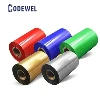
Vrpce za termotransfer pisača mogu se izraditi od voska, smole ili mješavine ova dva. Vrpce od smole pružit će vam maksimalnu zaštitu od ekstremnih temperatura, kemikalija i abrazije u usporedbi s samim voskom ili mješavinom ta dva. Vrpce od smole nude veću vrijednost zbog svoje poboljšane kvalitete ispisa.
5 – Thermal transfer labels will stick to anything
Not all products are created equal when it comes to thermal transfer labels. Thermal transfer printouts are still legible in many harsh environments, but the label's adhesive will determine whether it will still stick to the container. For example, only CryoSTUCK® labels can be applied to surfaces that have been frozen, while chemical-resistant labels are produced using adhesives designed to resist harsh solvents such as xylene, toluene and alcohol. However, all labels in roll form can be printed with thermal transfer printers.
6 – Thermal transfer printers are relatively expensive
Standard thermal transfer printers range from 450 to 3000, while desktop laser printers range from 200 to 10,000. Also, due to the portability of thermal transfer printers, the cost can be borne by multiple labs or departments, as printers can be more easily carried or moved between workstations than laser printers. Also, the unit cost per label is generally lower than most other printers, because the ribbon doesn't need to be replaced as often as ink cartridges or toner, and you only print what you need without wasting labels.
7 – It doesn't matter where I get the tag
Not all labels are created equal. Chemical-resistant labels can withstand occasional exposure to ethanol, other alcohols, and even xylene, but it may not be suitable for immersion/prolonged exposure to these chemicals; low-temperature labels may be ideal for -196 degree storage, but depending on their size and container's properties (surface type/shape), it may fail in liquid nitrogen. Whatever the purpose you need the label for, whether it's tolerance to xylene during histological analysis, or cryogenics for freezing patient specimens or primary cell lines, it's best to obtain labels from reputable manufacturers that use only high-quality raw materials And provide a reliable label printing service. They will also test them beforehand to make sure they won't fail, and will often provide you with samples to make sure they're a perfect fit for your unique conditions.